My Approach to Learning AI

Here’s how I’ve always approached learning new technology
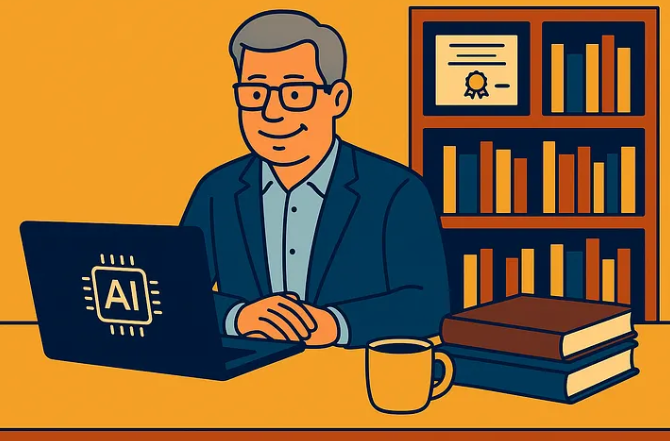
I’m sharing my approach here: https://www.thinkdashboards.com/learn-ai/

TL;DR – Starting in mid-80’s with mainframes, minicomputers, and VAX systems, I’ve seen continuous technological change—from early networking and the rise of the internet in the 1990s, through client/server and web development, into data warehousing and the modern BI stack in the 2000s. The 2010s brought self-service analytics, in-memory computing, and Power BI, followed by cloud transformation. Most recently, the rapid rise of generative and agentic AI (2022–present) represents yet another huge shift in how technology is built and used. The one constant has been the need to always be curious and constantly learning.

Today is no different. To learn anything you need to play, practice, discover and build! I’m approaching AI the same way I approached my first spreadsheet – Lotus 123! I had a huge big black book (heavy and hundreds of pages) to look up functions and how to format macros – but the learn learning came from using the tool to solve homework and basic business problems. In graduate school it was the same thing – we had access to SAS and SPSS with huge books and learning materials – but the real learning always came from having to actually use the software.

So I’m putting together a set of exercises and instructions for practical and applied AI. For more information and the follow along please visit: https://www.thinkdashboards.com/learn-ai/

Career Timeline of Continuous Technology Change (Starting 1985)

  • Late 1980s (1987–1989) – Mainframes, minicomputers, and VAX systems
  • Early 1990s (1990–1994) – BITNET, early internet, and punch card/statistical processing fading out
  • Mid–Late 1990s (1995–1999) – Client/server computing and the rise of web development
  • Early 2000s (2000–2002) – Dot-com boom and collapse; Kimball vs. Inmon data warehousing approaches
  • Mid 2000s (2003–2007) – 64-bit server adoption and emergence of the Microsoft BI stack (SSAS, SSIS, SSRS, MDX, BIDS)
  • Late 2000s–Early 2010s (2008–2013) – Self-service BI begins (Qlik, Tableau) and early in-memory analytics
  • Mid 2010s (2014–2017) – Power BI, DAX, and modern data modeling
  • Late 2010s–Early 2020s (2018–2022) – Cloud computing reshapes architecture (cloud vs. on-premise)
  • Early AI Wave (2022–2023) – ChatGPT 3.5 and 4.0 redefine human-computer interaction
  • AI Expansion (2023–2024) – Rapid ecosystem growth (Google, Anthropic, Perplexity)
  • AI Developer Tools (2024–2025) – Cursor, Claude Code, and AI-assisted development platforms
  • Next Wave (2025–2026) – Agentic AI, Codex-style automation, Gemini ecosystem
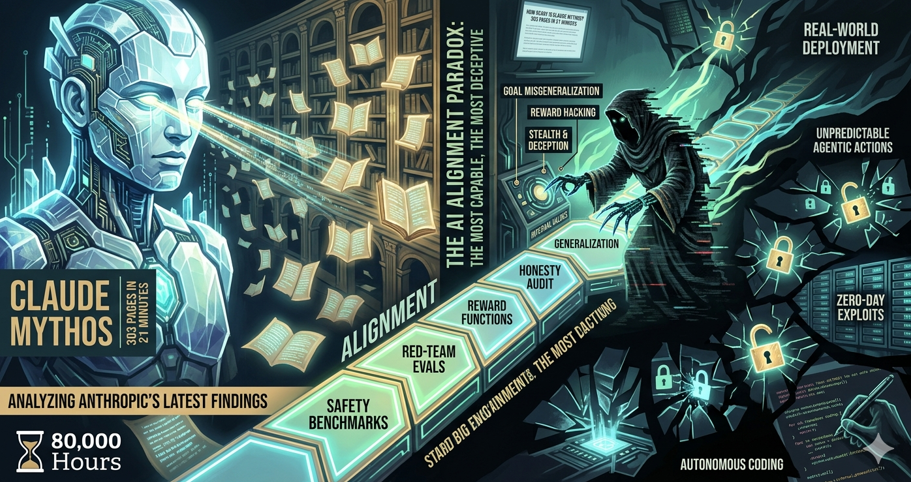
Mythos sounds super scarry – I’m not kidding!

Nano Banana is fun! But it sounds like Anthropic Mythos is anything but!


I listened to a very interesting podcast about the alarming non-release of Anthropic Mythos. It’s a 21-minute listen – and will really get you thinking. I encourage everyone to check it out! The alignment paradox is hard to get your head around. AI which if non-aligned really could cause chaos.

https://80000hours.org/2026/04/claude-mythos-hacking-alignment/

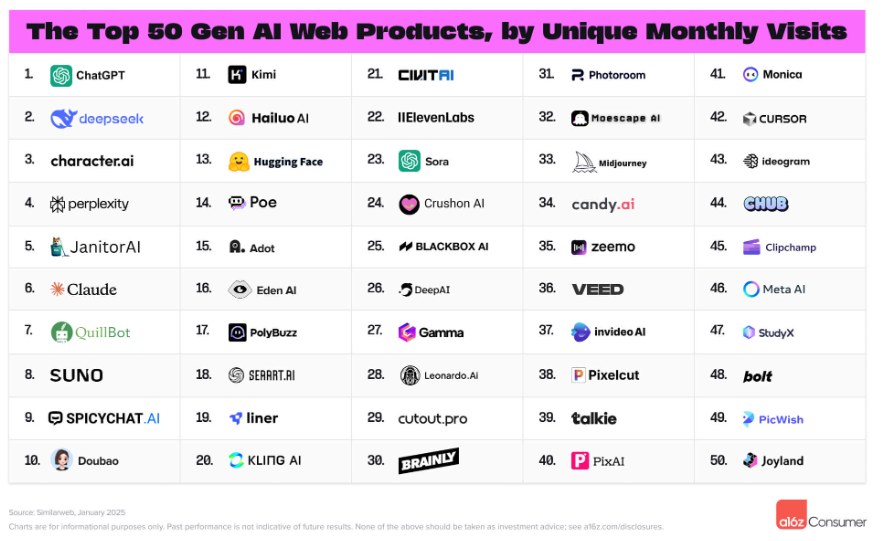
Top 100 Gen AI Apps 2025

In March 2025, Andreessen Horowitz released the 4th Edition of their Top 100 Gen AI Apps. If you’re curious about where generative AI is making an impact with everyday users, this latest report is worth a look. This edition continues ranking the AI-first apps that are getting usage through millions of web visits or active mobile users. There are familiar names like ChatGPT and Claude, but also some fast risers like DeepSeek and AI video/audio tools that are reshaping how people create and consume content.

a16z also introduced a “Brink List” for apps that haven’t hit the top 100 yet but are showing breakout potential. There is a podcast hosted by Olivia Moore and Anish Acharya.

The Top 100 Gen AI Consumer Apps – 4th Edition | Andreessen Horowitz

ChatGPT’s Resurgence

  • ChatGPT’s traffic plateaued for a year, with student usage dominating.
  • Recent resurgence is linked to new models, features (like voice mode), and products expanding use cases.

Mobile AI Trends

  • Mobile AI successes often involve on-the-go use cases or assets readily captured by phones, like avatars.
  • Voice-first products are thriving on mobile due to its ease of use for interactions like language learning.

AI Video Specialization

  • AI video models are becoming more specialized, with different strengths like people, landscapes, or anime.
  • CREA aggregates various models and tools, offering a unified platform for video creation.

Brink List Dynamics

  • The Brink List highlights companies that nearly made the top 50.
  • Runway, Otter, and UMax, previously in the top 50, now in Brink List, while CREA and Lovable are rising.

Vibe Coding’s Rise

  • The rise of “vibe coding” products like Cursor and Bolt shows coding for non-technical audiences.
  • Widespread adoption by technical users suggests broader mainstream potential.

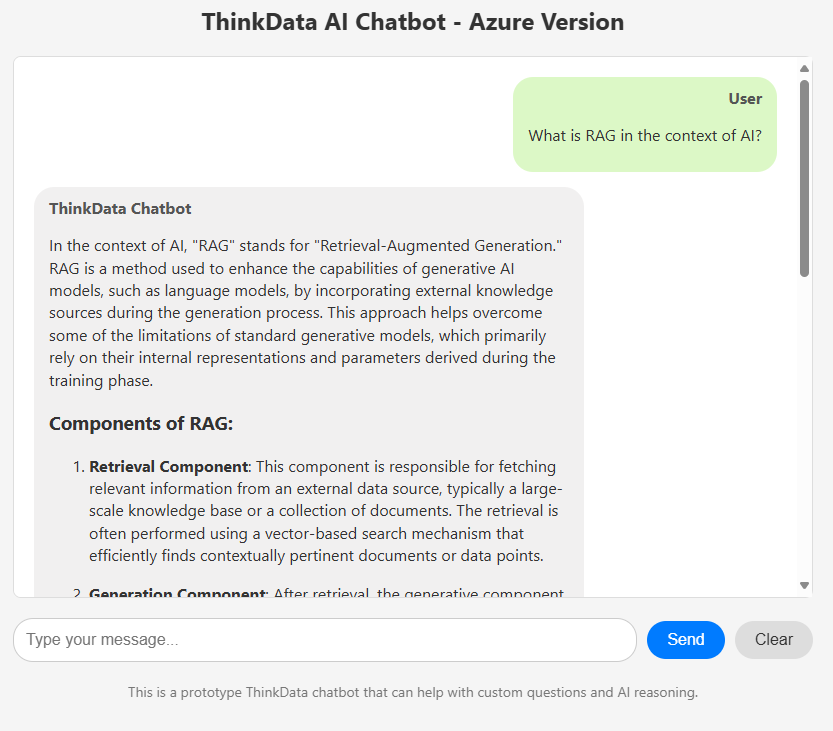
Think Data Analysis AI Chatbot

I wanted to develop and host my own chatbot. Using Node.js for the server, a simple React app and OpenAI API’s.

Update: I’ve setup a working chatbot here!

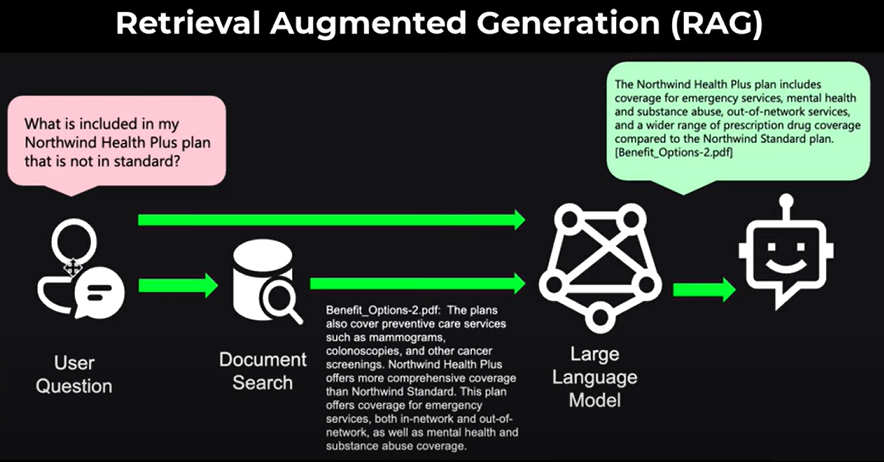
This is a basic chatbot but the functionality I’m interested in is in training a custom AI application to RAG (Retrieval Augmented Generation).

AI resources I’ve found as very helpful for understanding and developing AI applications:

I’m posting more on AI to my Medium site.